
The Allure of Chance Understanding the Thrill of Gambling
The Psychology Behind Gambling
The allure of gambling is deeply rooted in human psychology. From an early age, people are drawn to games of chance and the prospect of winning. This attraction can be attributed to various factors, including the thrill of risk-taking and the anticipation of rewards. The brain releases dopamine, a neurotransmitter associated with pleasure, when an individual wins or experiences a significant moment of chance. This creates a powerful desire to engage in gambling activities repeatedly, as individuals seek that exhilarating rush. Many people visit sites like spinfredcasino.com to amplify this experience.

Moreover, many gamblers enjoy the social aspect of games. Whether in a casino or online platform, the communal experience fosters a sense of belonging and excitement. Engaging with others amplifies the entertainment value, making gambling not just a solitary endeavor but a shared adventure that can lead to lasting friendships and memories.
The Role of Luck and Skill
One of the defining features of gambling is the uncertainty it presents. Luck plays a significant role in determining outcomes in various games, from slot machines to poker tables. This unpredictability is part of what makes gambling so captivating. Players may find themselves captivated by the idea of “locking in” a lucky streak or using strategies that they believe can influence the odds in their favor.
On the flip side, skilled players often thrive in games that require strategy, such as poker or blackjack. While luck is essential, the ability to calculate odds, read opponents, and make strategic decisions can turn the tide in a player’s favor. This blend of luck and skill enhances the complexity and excitement of gambling, offering different experiences based on individual preferences and abilities.
Cultural Perspectives on Gambling
Throughout history, gambling has held a significant place in various cultures worldwide. From ancient civilizations that used dice to modern-day lotteries, the act of betting has evolved but remains a common thread across societies. In many cultures, gambling is viewed as a form of entertainment and a rite of passage, often intertwined with celebrations and communal gatherings.
However, perspectives on gambling can vary widely. In some cultures, it is a taboo, seen as a vice with potentially destructive consequences. These differing views contribute to diverse attitudes and regulations surrounding gambling. Understanding these cultural contexts allows for a richer appreciation of the global fascination with games of chance.
Exploring Online Gambling Options
As technology has advanced, so has the landscape of gambling. Online platforms have revolutionized the way enthusiasts engage with their favorite games. No longer confined to physical casinos, players can enjoy a vast array of options from the comfort of their homes. Online gambling sites offer everything from classic table games to innovative slots, ensuring there is something for everyone.
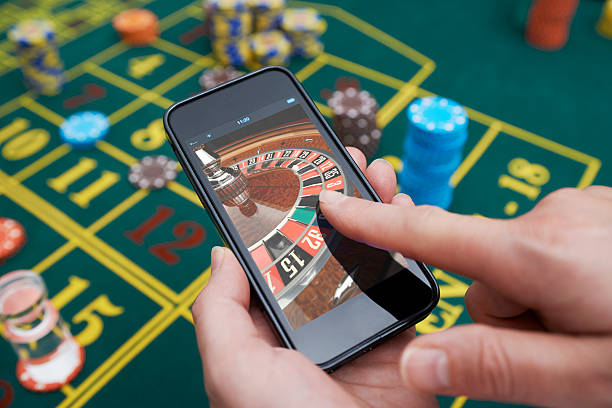
These virtual environments not only mimic real-life casinos but also provide added benefits. Players can access promotions, bonuses, and a plethora of games at their fingertips. Furthermore, the convenience of mobile gambling allows individuals to enjoy the thrill of chance wherever they are, making it more accessible than ever before.


