
Understanding the psychological triggers that fuel gambling habits
The Allure of Instant Gratification
One of the primary psychological triggers that fuel gambling habits is the allure of instant gratification. The excitement associated with winning can create an immediate rush of pleasure, releasing dopamine, which is often referred to as the “feel-good” neurotransmitter. This biological response not only reinforces the desire to gamble but also encourages repeated engagement, as individuals chase that euphoric feeling. Over time, the expectation of this quick reward can lead to compulsive gambling behaviors. Additionally, when exploring various platforms, you might come across betting sites that accept credit cards, which can further blur the lines of responsible gambling.

Moreover, instant gratification can overshadow the potential long-term consequences of gambling. Players may rationalize their spending, focusing solely on the excitement of the moment rather than the financial risk involved. This impulsive decision-making can blind individuals to the reality of their gambling habits, leading to a cycle of excessive play and potential addiction. The brain’s reward system can become skewed, prioritizing short-term thrills over long-term stability and well-being.
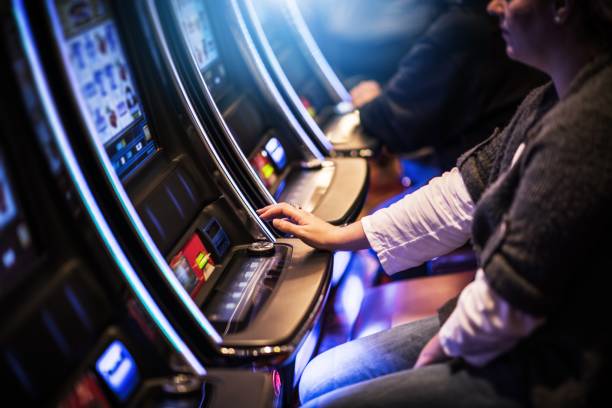
Additionally, the gambling environment is meticulously designed to enhance this craving for immediate satisfaction. Casinos and betting platforms employ various strategies such as bright lights, enticing sounds, and promotional offers to create an atmosphere that encourages prolonged gambling sessions. The combination of these sensory stimuli with the promise of instant rewards intensifies the urge to engage, making it crucial to understand this trigger for better control over gambling habits.
The Role of Social Influence
Social dynamics play a significant role in fostering gambling behaviors. From peer pressure to cultural norms, individuals often find themselves influenced by their social circles. Being surrounded by friends or family who gamble can create a perception that gambling is a socially acceptable or even desirable activity. This social endorsement can lead to an increase in participation, as individuals may seek acceptance or validation from their peers, often ignoring their own financial limitations.
Moreover, social media and online gaming platforms have amplified this influence, creating a digital community where gambling is celebrated. Gamblers often share their victories online, painting a picture of success that can further entice others to join in. This visibility can distort the reality of gambling, as the narratives shared often overlook the significant number of losses experienced by individuals. Consequently, the glamorization of gambling can serve as a powerful motivator, overshadowing the potential risks and consequences.
In the context of community engagement, gambling establishments often host events or tournaments designed to foster camaraderie. These gatherings can cultivate a sense of belonging, where the act of gambling is not just about personal gain but about being part of something larger. This sense of community can effectively reinforce gambling habits, as individuals are drawn to the social aspects of gaming, sometimes at the expense of their own financial health.
The Illusion of Control
The illusion of control is another psychological factor that significantly influences gambling behavior. Many gamblers believe they can influence the outcome of games of chance, leading to an increased willingness to engage in risk-taking behaviors. This misconception is particularly prevalent in games like poker or sports betting, where players feel their skills or strategies can determine success. Such beliefs can bolster confidence, driving individuals to gamble more frequently in pursuit of perceived mastery.
This phenomenon is often exacerbated by the cognitive bias known as the “gambler’s fallacy,” where individuals think that past outcomes can affect future results. For instance, a person might believe that a particular slot machine is “due” for a win after a series of losses, leading them to invest more time and money into it. This fallacy not only perpetuates gambling habits but can also lead to significant financial losses as players chase their perceived luck.
Furthermore, the illusion of control can create a false sense of security, making it harder for individuals to recognize the inherent randomness in most gambling activities. This cognitive distortion can prevent gamblers from setting limits on their play and recognizing when their behavior crosses into problematic territory. Understanding this trigger is vital for anyone looking to take control of their gambling habits and make informed decisions about their gaming activities.
The Impact of Emotional States
Emotional states significantly influence gambling behavior, serving as both triggers and coping mechanisms. Individuals may turn to gambling as an escape from stress, anxiety, or depression, seeking solace in the thrill of games. This form of escapism often leads to a cycle where gambling is used to alleviate negative emotions, only to create additional stress when financial losses occur. The resulting emotional turmoil can drive individuals further into gambling, perpetuating a harmful cycle.
Moreover, emotions such as excitement or anger can also spur impulsive gambling decisions. When people experience heightened emotional states, they may be more likely to engage in risky behaviors, including gambling. For example, a person who just won a significant amount may feel invincible, leading them to increase their bets or play longer than planned. Conversely, someone experiencing frustration may gamble to seek revenge on the games, believing they can win back losses. In both scenarios, emotional influences can cloud judgment and lead to poor decision-making.
Recognizing the interplay between emotions and gambling is crucial for developing healthier habits. Individuals can benefit from strategies aimed at managing their emotions, such as mindfulness practices or seeking professional help. By understanding how feelings impact their gambling behavior, individuals can create a more balanced approach, reducing the likelihood of gambling as a primary means of coping with life’s challenges.
Navigating Your Betting Journey with Expert Guidance
For those looking to navigate the complex world of gambling and sports betting, understanding the psychological triggers at play is essential. By recognizing the factors that influence their habits, players can make informed decisions that prioritize responsible gambling. This journey involves not just understanding personal triggers but also leveraging expert resources designed to enhance the betting experience.
Our comprehensive platform provides valuable insights, comparisons, and analyses of top betting sites. By focusing on user experiences, bonuses, and licensing information, we aim to empower individuals to make well-informed choices. Whether new to gambling or an experienced bettor, having access to expert opinions can elevate your understanding and enjoyment of the betting landscape.
Engaging with our resources can help bettors identify when their gambling habits become problematic and encourage the implementation of healthy strategies. By fostering awareness and providing actionable tips, we aim to support a more responsible approach to gambling, enhancing the overall experience while mitigating risks associated with gambling behaviors.


